


7 Key Dimensions to Evaluate a PEEK Machining Partner
Published on Friday, 06. March 2026
Content Guide:Choosing a PEEK machining partner is critical for success in medical, aerospace, and semiconductor applications. Avoid costly failures like stress cracking and thermal deformation. This guide provides a 7-dimension evaluation framework and key questions to assess a supplier's expertise in material s
In high-precision fields such as medical, semiconductor, and aerospace, Polyetheretherketone (PEEK) has become an ideal material for critical components due to its exceptional mechanical properties, chemical resistance, and biocompatibility. However, transforming PEEK raw material into highly reliable precision parts is an extremely challenging task. PEEK is not a "super plastic"; its machining characteristics are fundamentally different from those of traditional metals or common engineering plastics. Choosing the wrong machining partner can lead to issues such as internal stress cracking, dimensional inaccuracies, performance degradation, ultimately causing project delays and financial losses. Therefore, scientifically and systematically evaluating the professional capabilities of potential suppliers is a critical prerequisite for project success. This article will provide a practical evaluation framework and a list of questions based on seven core dimensions.
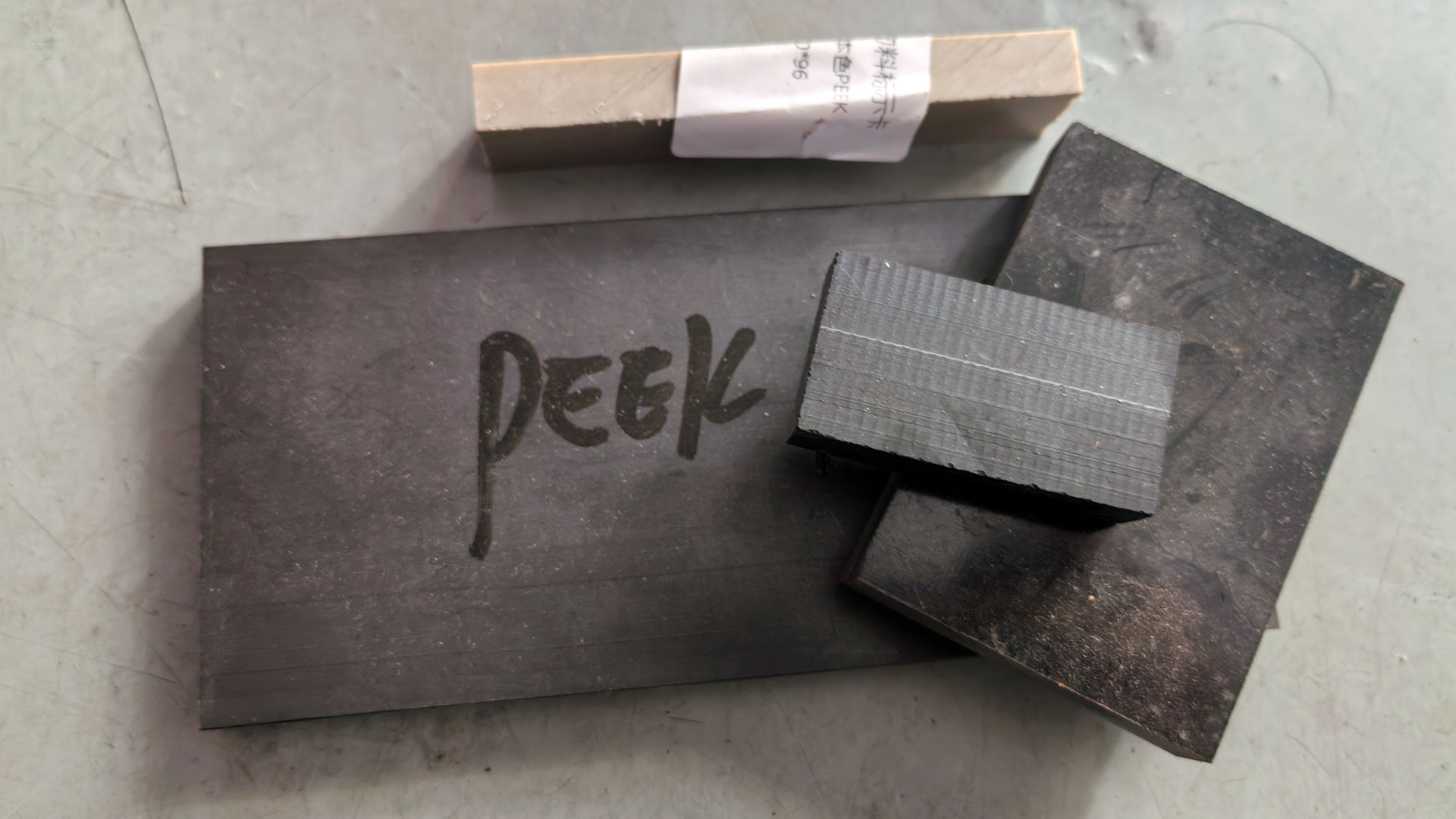
PEEK Material Diversity: Different Grades and Forms
Dimension 1: Material Knowledge and Selection Capability
A professional supplier must have a deep understanding of the diversity of PEEK materials. The mechanical and machining properties vary significantly among different grades (such as pure resin, carbon fiber reinforced, glass fiber reinforced, self-lubricating, etc.). Crystallinity is another key concept that affects the final part dimensions, shrinkage rate, and chemical resistance. The supplier should be able to recommend the most suitable material grade and initial form (rod, plate, or profile) based on your application scenario (e.g., load conditions, operating temperature, media exposure).
Evaluation Question Checklist:
Which PEEK grades does your company commonly machine (e.g., Victrex 450G, 90H, 150CA30, etc.)? Can you explain the differences in their characteristics?
How do you suggest specific grades based on the performance requirements (strength, wear resistance, FDA certification, etc.) in my drawings?
How do you control and manage material crystallinity during the machining process?
Dimension Two: Machining Stress Control Capability
PEEK is highly sensitive to machining stresses. Improper cutting parameters or clamping methods can introduce residual stress, leading to part deformation or even cracking after machining or during use. Professional suppliers should possess systematic stress control strategies, including optimized cutting parameters (low depth of cut, high feed rate), dedicated flexible clamping solutions, and potential intermediate stress relief procedures.
Evaluation Checklist:
For thin-walled, complex-structure PEEK parts, what specific clamping solutions are used to minimize clamping stress?
What are the guiding principles for setting cutting parameters (spindle speed, feed rate, depth of cut)? How is excessive cutting force avoided?
Are there examples of scheduling "stress relief" steps during the machining process?
Dimension Three: Thermal Management and Deformation Control Expertise
PEEK has poor thermal conductivity, causing cutting heat to easily accumulate at the tool-workpiece interface, leading to localized overheating. This not only accelerates tool wear but can also soften or melt the material (causing "gumming"), or induce thermal deformation, severely impacting dimensional accuracy and surface quality. Suppliers need to demonstrate their thermal management capabilities, such as using compressed air or specific coolants for effective heat dissipation.
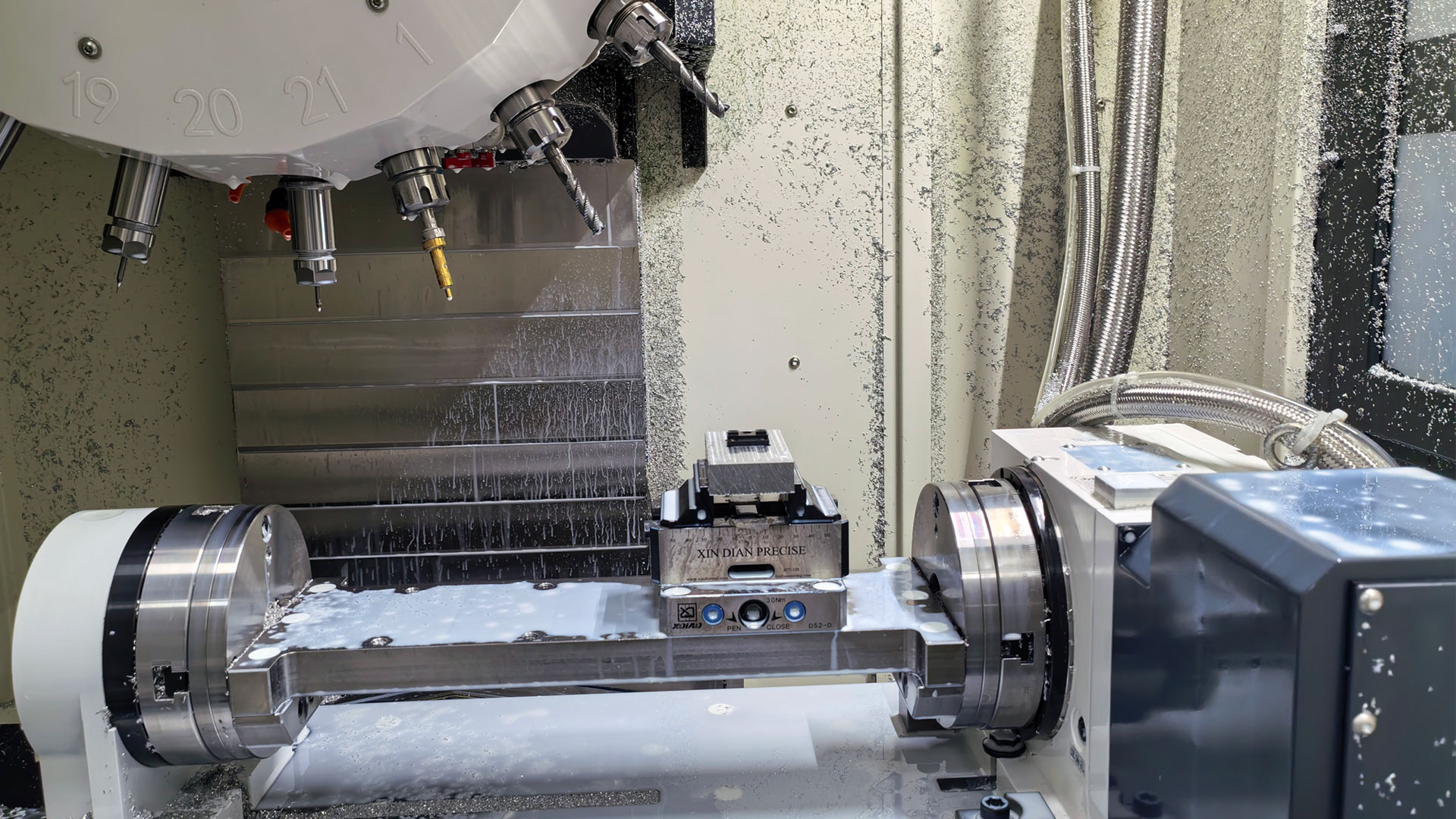
Active thermal management in PEEK machining: Air-cooling for heat dissipation
Evaluation Checklist:
What cooling method is used when machining PEEK (air cooling, Minimum Quantity Lubrication (MQL), or dry cutting)? What is the rationale for the choice?
How is the temperature monitored and judged to be within a safe range during machining?
For long-cycle machining, how is heat accumulation prevented from affecting final accuracy?
Dimension Four: Cleanliness and Contamination Control
In many applications, PEEK parts must maintain extremely high cleanliness, avoiding contamination from grease, metal particles, or other impurities. This imposes strict requirements on the machining environment, equipment, processes, and operator procedures. Suppliers should have corresponding clean production areas or control processes.
Evaluation Checklist:
Are there dedicated cleanrooms or clean production areas for machining parts with high cleanliness requirements?
How is contamination of PEEK workpieces prevented from machine tool guideway grease or residues from machining other metal parts?
What are the part cleaning and packaging processes? Can they meet requirements for being dust-free and oil-free?
Dimension 5: Dedicated Tooling Solutions and Process Database
"A workman must first sharpen his tools if he is to do his work well." Using tools designed for aluminum or stainless steel to machine PEEK often yields poor results. A professional supplier should accumulate a dedicated tooling library for PEEK (featuring specific rake angles, clearance angles, coatings, etc.) and establish a verified database of process parameters to ensure the optimal balance of machining efficiency, surface quality, and tool life.
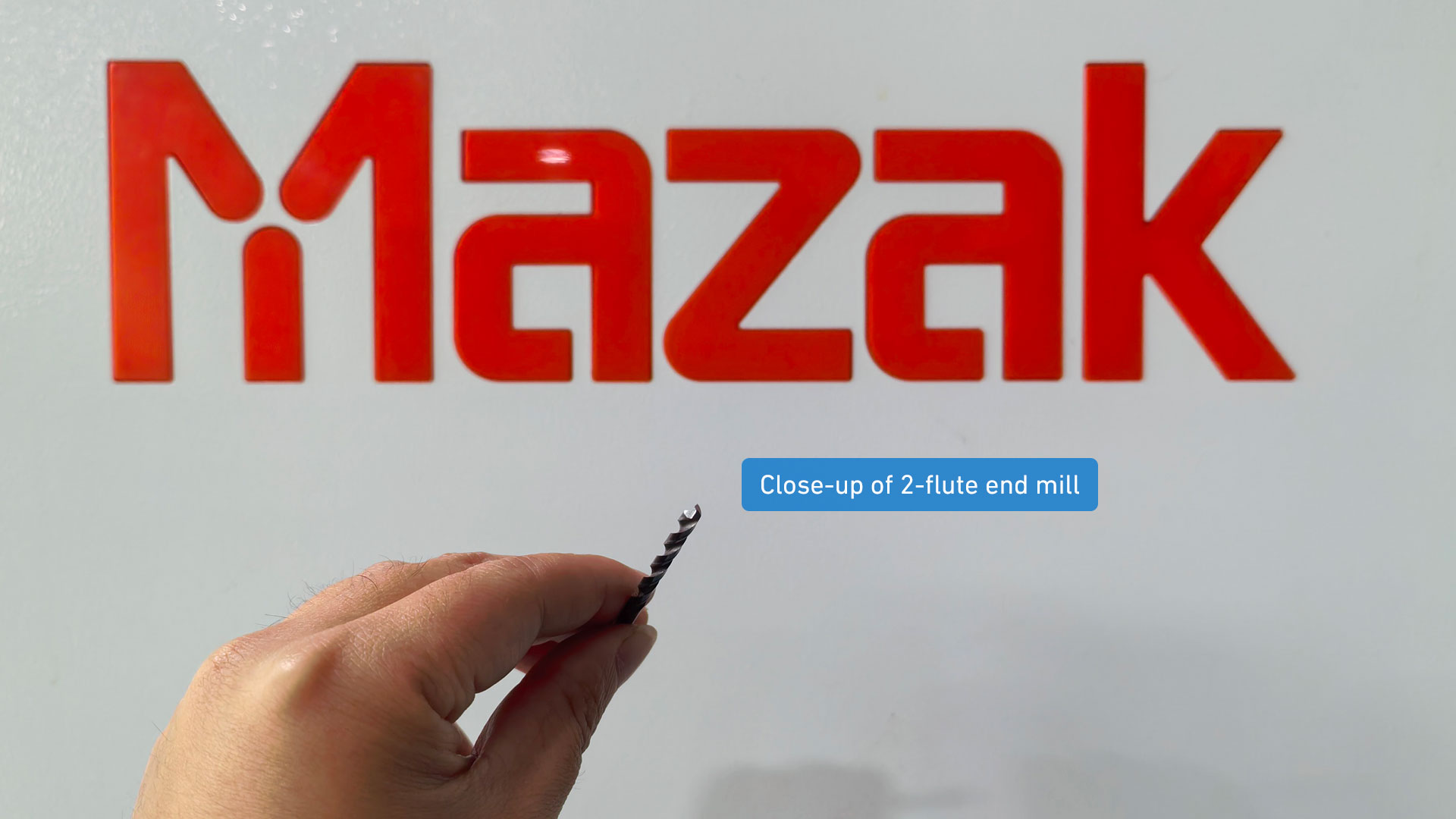
Special end mill geometry optimized for PEEK
Evaluation Checklist:
What tool materials (e.g., carbide, diamond-coated) are typically used for machining PEEK? What are the special design features of the tool geometry?
Is there a cutting parameter database for different PEEK grades (e.g., unfilled vs. reinforced)?
How is tool life managed to prevent degradation in machining quality due to tool wear?
Dimension 6: Dimensional Stability Assurance System
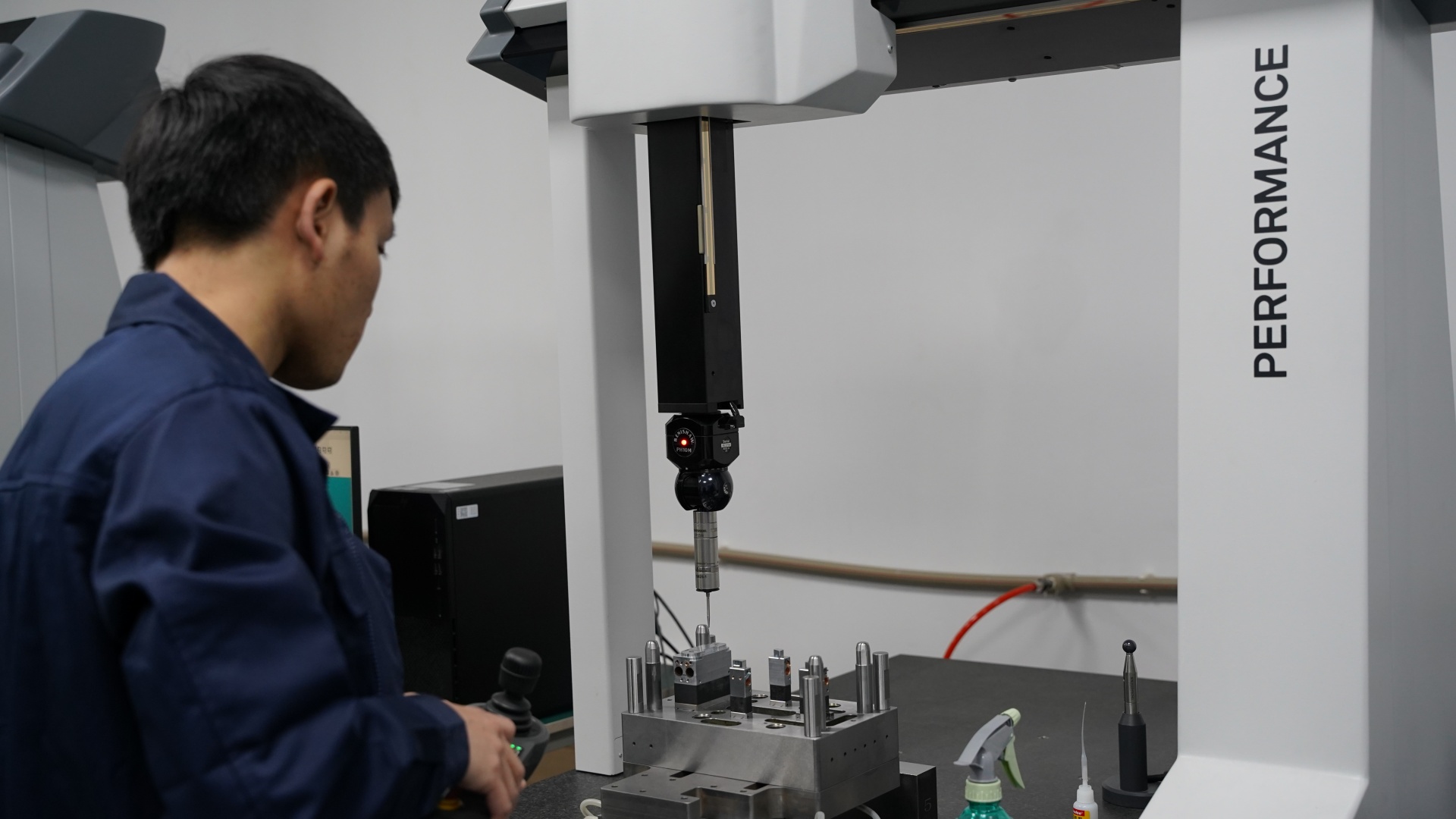
Ensuring that parts remain dimensionally stable within the specified tolerances (e.g., ±0.05mm) after machining and upon delivery is a hard metric for evaluating a supplier's technical capability. This involves meticulous management across a series of stages: from material pre-treatment (e.g., drying), control of stress and heat during machining, to post-machining aging treatments.
Evaluation Checklist:
Is the PEEK material pre-dried before machining? What are the specifications for this treatment?
For parts with strict tolerance requirements, are they subjected to an aging treatment after machining to stabilize dimensions? What is the process?
Is the final inspection conducted immediately after machining or after a certain period of time?
Dimension 7: Post-Processing and Secondary Machining Capabilities
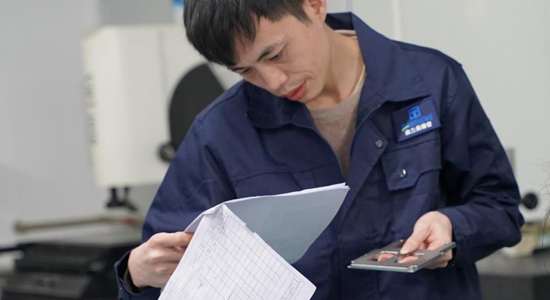
Removing a part from the machine is not the end of the process. Post-processing steps such as deburring, surface treatment (e.g., polishing, sandblasting), marking (laser engraving), and assembly/fitting with other components are equally critical. A supplier's one-stop service capability can significantly enhance efficiency and ensure consistent quality.
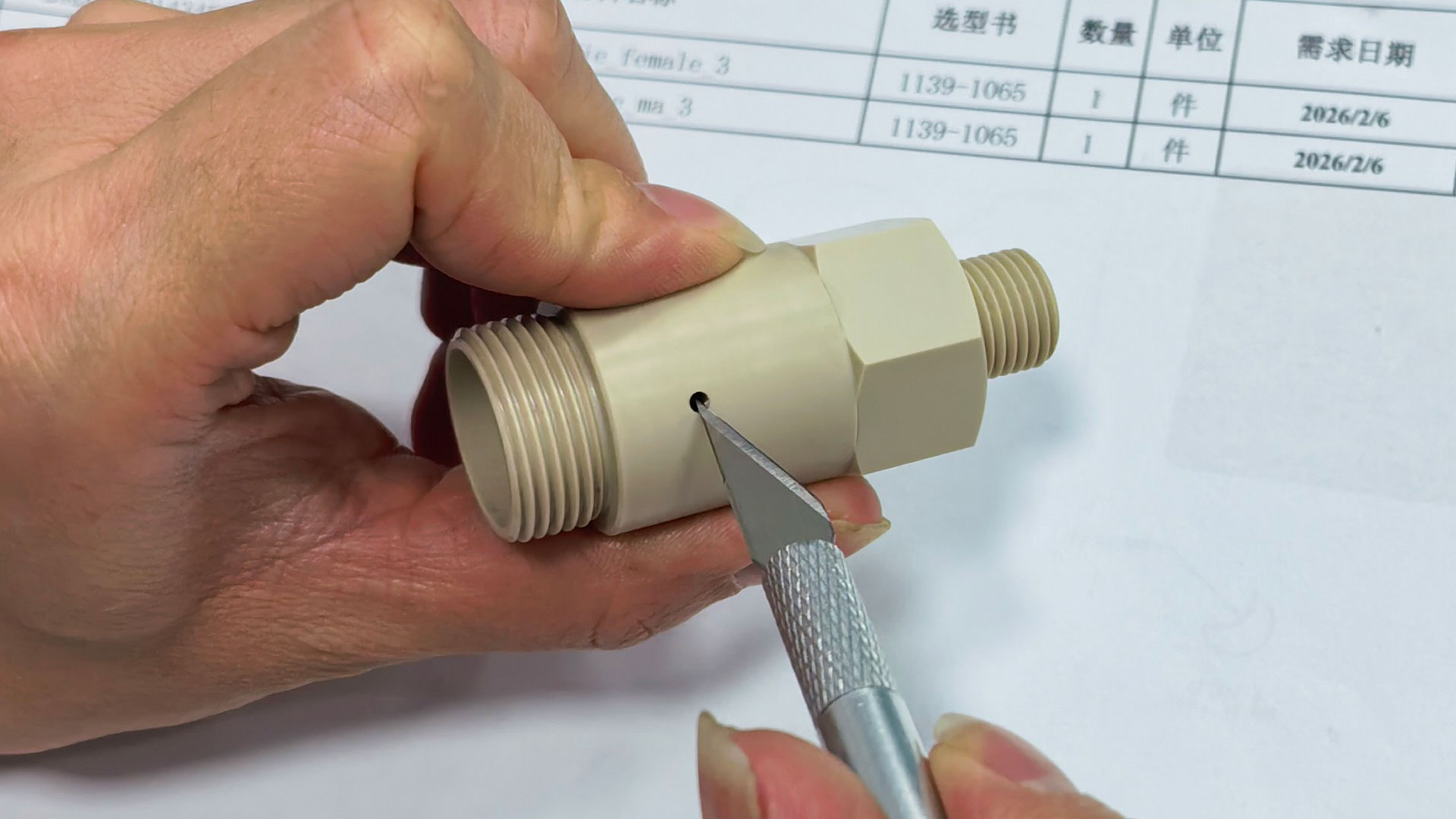
Precise post-processing and final inspection of a PEEK part
Evaluation Checklist:
What deburring and surface finish enhancement services are offered (what Ra value can be achieved)?
Do you have capabilities for laser marking, dyeing, or applying special coatings on PEEK parts?
Can you provide simple assembly or functional testing services?
Summary and Recommendations
Selecting a PEEK machining partner essentially means choosing a technical team capable of understanding the material's "character" and taming it with systematic processes. The seven dimensions discussed above are interconnected, forming a complete picture for evaluating a supplier's professional capabilities. When requesting quotes or conducting on-site audits, it is recommended that you use the specific question list provided in this article for in-depth discussions and request to review relevant process documents, inspection reports, and success cases. True experts are eager to share their technical details, not just quote prices. A qualified partner should become a trusted extension of your R&D and production chain, working together to transform the exceptional potential of PEEK material into reliable product performance.
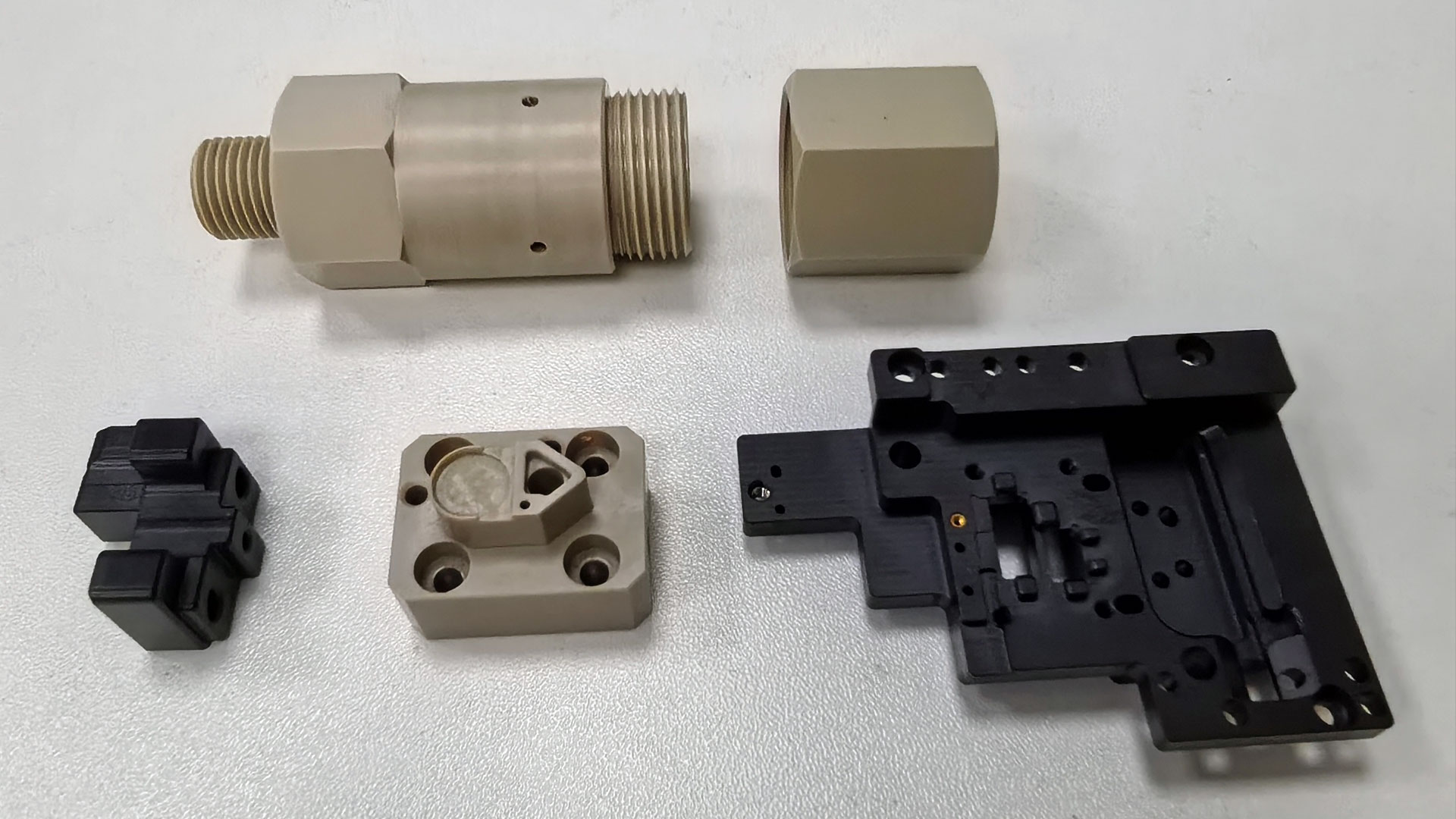
Professional Machining Results: Various High-Precision PEEK Application Parts
Previous:5 Key Factors to Choose a Professional 6061 Aluminum CNC Milling Partner
Next:No More/End
Ready to transform your CAD file into a custom part? Upload your design to get a free, precise quote.
Get Your Instant Quote